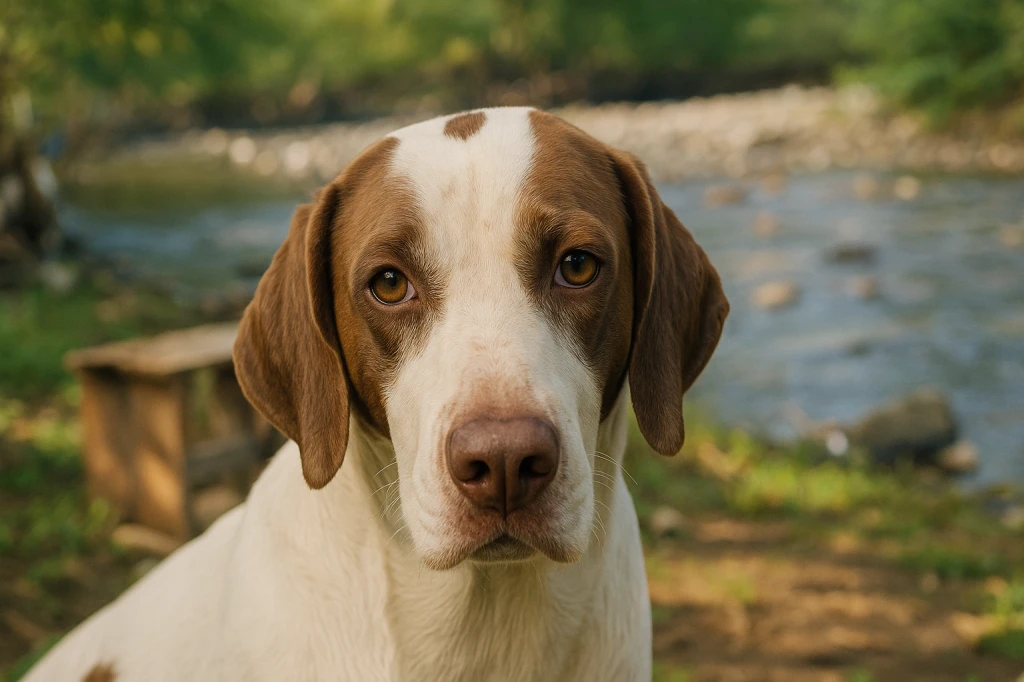
For a few days in the village where I came for a short trip, I have become familiar with a dog that I named “Luna.” All the dogs came and went, but Luna stayed. As I write this, she is near me; wherever I go in the village, Luna follows.

Part One: Getting to Know Luna
At first, I sent her photos to a friend abroad who takes care of pregnant dogs. She confirmed that Luna is pregnant. At first sight, she looked sick, as if no one had ever touched her before. Today, with gloves on, I checked her whole body, just as I had read about English Pointers. She is not sick, but she has wounds that look like signs of an old fight.
Her behavior with me is like she has found her owner. A few days ago, I told one of the locals that this dog is pregnant and needs care. He said her owner is taking care of her. Until today I believed Luna had an owner, but inside I kept asking: if she has an owner, then why is she always beside me? Where is her home?

Tonight, just a few hours ago, I spoke to another local. I asked where this dog’s home is. His answer was sad; since he said it, my mind has not been calm. He said someone from the village brought this dog here and then left and abandoned her. Since then, Luna goes from house to house looking for food. She once had a home and a life but now has been left behind, and at a time when she is pregnant and needs care more than ever.
Now I think Luna is waiting for someone. It shows in her behavior. She follows me and sometimes looks back. I have seen many dogs and understand some of their looks and behaviors; but this one is different. Loyalty shines in her eyes. I saw many times that she went far away, but always returned to this village. She is simple, kind, and sad; as if she carries a deep wound from humans. I don’t know how to say it, but she has doubt inside her, as if she is unsure whether she can trust someone again.

Still, the world is such that she still needs humans. Her food must come from humans. Luna is a hunting breed; a dog that once lived with her owner and now is left in nature. When I massaged her body with gloves, her wounds appeared, and tonight I realized that it is her broken heart that makes her look so sad. Truly, humans treat animals cruelly.
For about a week, I kept Luna, the pregnant, wandering dog, beside me, fed her, and one morning I left to visit a place and buy some things. When I returned in the afternoon, Luna was gone. I was upset, but also happy; maybe she really had a home?
The Birth of the Puppies Under the Persimmon Tree
But the next morning she appeared again, this time with an empty belly. It was a very beautiful and funny scene; she was smiling and asking for food, as if she had finished an important task and returned. Even though she had dug up the little house I built for her a few days before, she did not choose it for giving birth.


After giving her food, I followed her to find her birthing place. It was in an empty lot next to the house where I lived. The puppies were very beautiful and interesting. I was very happy, my heart was beating fast. It was one of those life moments I will never forget.


The next afternoon (the second day after the puppies were born), when I returned home, it was raining lightly. Luna followed me and, with shaking and stressed breaths, took me to the place she had chosen to give birth and keep her puppies. Professionals had told me not to move them; and in my searches I had read that she chooses such a place by instinct, but she cannot predict rain and the natural elements.
When we arrived, she looked at me as if to say: “Now you see why I asked you to come?” The ground was slightly wet and the puppies were a little damp. It was as if she wanted to tell me: “That roof you built for me over there, come build it here.” And so I spent some time building a roof to protect them from the rain. I had little equipment. The muddy ground, rain, lots of plants and branches made the work difficult, but I used everything I had.

When the roof stood in place, it was as if her anxiety disappeared. Her behavior changed suddenly; she became calm, lay down, and began to nurse them. I enjoy this companionship, but a hidden sadness remains in my heart: that a helpless, lonely, abandoned dog has now brought six more lives like herself into this world, and the cycle continues. Maybe something can be done? But who am I to decide for her or for nature? Maybe we must let nature take its path.

Now she has a roof, even if weak; she has food, even if little; she gets a bit of affection, even if short, but from the heart. This is the limit of my interference in nature. Heavier rains are coming, and I don’t know what will happen. But for now, she is happy, eats, nurses her puppies, and her intelligence amazes me. Her only needs are shelter from rain and food. I don’t know what will happen to her when I’m gone; maybe nature must find its own way…
So far I have given her dry food, chicken mixed with rolled oats, carrots, and rice. But my trip ended, and I gave the remaining dry dog food to a neighbor in the village. I wondered whether the next time I come here, I will find Luna again.


Part Two: Luna, the Stray Dog
After three weeks I returned, and now I write with deep sadness and anger in my chest, with a throat that cannot speak about “Luna.” After the end of the first part of my time with Luna, one week after the birth, when I didn’t know what more I could do for her, I had to leave the village, the place where Luna and her puppies now had a shelter. Before leaving them, I bought dog food, cooked meals, froze them, and gave them to someone in the village to feed her.
During that time, through phone calls with that person, I checked on them. Everything sounded good on the phone: Luna ate her food and all six puppies were healthy. Now, after three weeks, I drove back with new and special foods to see them, someone was waiting for me there, a heart beating for this reunion, with all the dreams and nightmares I had had about her in the past two or three weeks.
I arrived. I expected the dog of our story to run toward me, just like the days before birth, by the river, only me and Luna… But this time, there was no Luna. I went to her shelter… but no one was there, neither her nor her puppies. Worried, I called the neighbor; he said Luna’s “owner” had been found, took her and the puppies to the city, and he didn’t know him. I felt both sad and happy. Sad that there would be no more Luna, no more seeing her, and her food wouldn’t reach her. Happy that she returned to her home…
But today, I woke up to Luna’s voice. When I went outside, she ran toward me. As if she had been waiting for me for a long time, as if she had found her rescuer. First she took me to her home to say: “Look, my puppies are gone…” Without thinking what had happened, I gave her breakfast. After a while, she lay in front of the door where I was staying, in a depressed way. I had never seen her like that. She was sad, abandoned. My first thought was that the villagers had taken the puppies to the city to sell them… This was both good and bad: bad because they separated the puppies from their mother, good because maybe each now had a home.
Luna left, and a few hours later she returned, and this was the beginning of the tragedy. I found her caught in a thin, tight metal wire around her neck, a wire that could easily choke her. I freed her. This started my anger. I found out she was being kept somewhere not suitable, tied with the worst collar possible. It was torture that would make any human angry. Luna, my poor dog, what has happened to you during this time… In the first chapter of our meeting, I learned she had been abandoned and was wandering in this village…
After lunch, Luna left again. My guess was that she was searching for her puppies. People weren’t telling the truth… But that sign of torture, the metal wire, made me follow her. I found her again, locked in a house, tied to a tree with the same wire. From behind the fence, I saw her crying loudly, in pain, calling for help… I went to that part of the village.
I saw the same neighbor who was supposed to take care of her. Again I asked: Where is she? And her puppies? The answer was the same: “Her owner came and took them.” I said: but she is here, someone tied her to a tree. His face changed, he turned pale. He said: “Oh, so they brought her back.” And then he started complaining that this dog has made trouble for them, and on the way there, some other villagers told me: “Don’t untie this dog, she eats our eggs.” All of them were angry, as if I had given birth to her, brought her here, and ordered her to eat their eggs.

While freeing her, each knot of that wire I opened, I looked at her innocent face and thought of humans, of the hands that tied that wire, the knots I was undoing. With each knot I opened, a crack appeared in my heart… Who are we? What kind of creatures are we? I cannot believe not even one person defended this dog. A woman younger than me said: “Now that you are defending her, you must take responsibility for her.”
A man among them accidentally revealed where the puppies were kept, as if they had not coordinated this part. He told me they had placed the puppies “up there.” They all looked at Luna as a dog who deserved to be stoned for eating eggs (which I don’t even know is true). It reminded me of The Scarlet Letter: punishment for natural behavior. We went to the place where they kept her puppies.
We arrived. It was the yard of an abandoned house where they had imprisoned them. Far from their mother, far from her milk, fed with some low-quality factory milk. It seemed like a project to destroy Luna’s family, a punishment she didn’t even understand. The puppies were very beautiful and larger now, but one was missing. They could already walk. The neighbor said: “A guy from Tehran came and took one.” I could not believe it. This kind of human–animal treatment breaks any heart.
With deep cracks in my heart, with anger and messy thoughts, in a checkmate position, I took all the puppies and left. The villagers looked at me as if I had committed a crime, as if I were protecting a criminal unworthy of life. They seemed shocked that I had found them again, as if they had all worked together so I would never see Luna and her puppies again. When I arrived home with the puppies, Luna was waiting at the door. I had to tie her so she wouldn’t leave again; this time if they caught her, they would not let her live.
The reunion of Luna and her puppies was like a scene from a drama film. She first smelled the sack and circled it before seeing them. In my mind, Bach’s Toccata played. Luna became so calm that now, thinking of her, tears come to my eyes. The hungry puppies, now with their eyes open, found their mother. Then the petting began. Until sunset I had to quickly build a new home, strengthen the walls so they couldn’t get out, even fill the openings in the walls.
The reunion happened instantly, as if everyone knew what was happening. Luna, who had run around restlessly all day and had been imprisoned, was now extremely calm. She immediately started nursing the puppies. The puppies, who had been crying earlier, were now silent. This silence, and Luna’s closed eyes, with a new wound on her muzzle, were shouting love. And wherever love begins, words fail.

My life and situation are not such that I can live with Luna. I canceled a trip to stay here (and I’m happy I did), and I changed the date of another future trip. I want to stay until Luna reaches stability before leaving her. Now I need your help, the help I refused in the first chapter. If you want to help in any way, or know someone or somewhere that can adopt her and her puppies in the best way, contact me. Send this story to them.
Please, if you want to help, do it quickly. Contact me on Telegram or Instagram. And please, do not send messages only because of excitement for the puppies; I understand, but they are not in a condition to be abandoned again. Luna is a strong dog with a fragile and sensitive heart, a beautiful and kind dog, a hunting and loyal English Pointer. A dog that must always be outdoors, run, jump, and explore. I look forward to your messages. Respectfully.

Part Three: Luna Searching for a Home
After three weeks, receiving many messages, I wrote on Instagram:
Greetings, and thank you for your concern about the stray dog, Luna, who is not in a good condition right now. During this time, I received offers to adopt her and her family, and now I am at a decision-making dead-end that I want to share with you so that you can help in this decision.
Without wanting to make this message long, I will avoid details. The first option is a friend of a friend, a garden in the south of Tehran, in Qeysarabad. A large and green garden where food and access to a veterinarian are available. But the negative points are Tehran’s polluted air, its closeness to Behesht-e Zahra cemetery, and the long distance for transportation.
Based on the suggestion of someone in the village, I posted an adoption ad for them on Divar. Many contacted me, but two of them had better conditions and were nearby. They had gardens and claimed to love dogs. But I must say respectfully that people in northern Iran, especially this area, are indifferent toward animals and their health conditions; they feed them chicken bones. This is because there are many stray animals in this part of Iran.
Now I want you to tell me your opinion: is the Tehran option better, with all its positives and negatives, or the northern options, where veterinary care is weaker but the weather and environment are better? Also, a kind friend suggested a “shelter” in Karaj where the dogs are kept until a new owner is found. You write. I will read.


Part Four: Meeting Those Who Knew Luna
I was busy building a wooden house for Luna and her family when I found a car with a Tehran license plate in the village. A woman with a German Shepherd. I talked to her, told her Luna’s story; she knew her. She said she had seen Luna wandering in the village for a long time, and whenever she came here, she saw Luna’s legs injured and treated her.

She continued: “Other dogs always fought with this one in the village. She used to be chubbier; now she is thin. I know the dog who was always with her, probably the father of the puppies. In this village, they have killed three dogs. All villages are like this, they kill stray dogs.”
Now that Luna’s past was a little clearer, I became more determined to help her. Yet even after the poll, I was not sure whether sending her to Tehran was the right choice.
Part Five: A Difficult Decision
I have spent very difficult days with Luna. I don’t know if she is sick or not, I don’t know what I must do. Through a friend, I connected with a kind veterinarian who wanted to help; I sent descriptions and photos, and he said she needed urgent surgery. I asked AI for help; I prepared her food with great care so I wouldn’t harm her. I was very sad that I had to tie her so she wouldn’t wander off; I was afraid she would be caught again.
Meanwhile, I was still receiving messages from northern Iran wanting Luna and her family, but I couldn't trust them. I wanted a backup option, or something at least similar to the Tehran option, because moving Luna in the north would be easier.
I decided to test the people who contacted me psychologically. For example, to people who I suspected wanted to “breed” the puppies, I said: “I neutered Luna and her puppies today. If you want them for breeding, I know a better dog,” and they replied: “Do you have a photo?”
Or to people I suspected wanted to sell them, I asked: “What do you feed dogs?” and more specific questions. It quickly became clear what their intentions were. Some wanted the dogs for hunting or guarding. They said they loved dogs and would take the best care of them, but each in some way seemed suspicious or unsuitable. One wanted to keep them in a small yard, another wanted only Luna and planned to give the puppies to his friends. I also received many messages from people wanting only one puppy.
I asked my trusted friends, those who think like me, for advice. I told them the good, selected options. The choice was really difficult. Tehran, with its polluted air but access to a veterinarian, butcher, proper food, my ability to visit, and their desire to help, seemed appealing. But the north had clean air and people who said they loved dogs. Which could be trusted? And the shelter, whose job it is, but maybe not the best option, because Luna would still remain a stray searching for an owner.
With very complicated thoughts, I asked the AI. I told it the suggested options. It said dogs prioritize food, care, safety, and love above all else, and weather is secondary. It also said people who want dogs for hunting or guarding are making them workers; a dog that does not live its own life. And what would they do when the dog is no longer useful? Maybe Luna is not suitable for any of these purposes.
I talked to my friend who is an expert in training and raising dogs. He said from the videos of Luna, it is clear she loves affection from humans, so the priority must be the place that gives her love, the garden in Tehran.
I wished Luna could speak and choose the options herself, but she couldn’t… I was left with a hard decision. None of the options were 100% ideal. But based on the polls, consultations, and conversations with specialists, the Tehran garden was chosen.


Part Six: The Migration of Six Dogs to Tehran
I coordinated with the family who owned the garden in Tehran. They were very encouraging; I can say among all options, they spoke with the most love, as if kindness was rooted in them. This was the first offer I received in the second chapter; a family that wanted to help Luna, not use her for any purpose.

Fifty-five days after I met Luna, her transfer to Tehran began on a Sunday morning. Earlier I had asked for help to find someone to transport Luna and her family from Gilan to Tehran with proper carriers, but I found no one. So I put the wooden house I built on the back of a pickup truck and tricked them with some dry food to enter it; then I locked the door. They were going to migrate with their childhood home, a house carrying the smell of Luna’s life beside me. A house I spent days building, finding proper wood from the forest.
In the beginning, Luna tried hard to escape the house, which had become a cage. Twice she succeeded, and I was discouraged. I reinforced the exits; for about an hour I struggled with this. Then I realized once the car moved, she became scared and sat still, and the puppies fell asleep from the start. She made no more attempts to escape on the way.

We reached the garden, located in Qeysarabad, south of Tehran. It was green, large, a place where Luna would run. The father of the family was a very respectful, honorable man with great knowledge, someone you could talk to for hours. He said he would fix Luna’s malnutrition; he owns a butcher shop. He planned to bring a veterinarian the next day. The daughter loved dogs, and the son would soon return to Iran. A family that Luna brought into my life, a meeting that I believe will end in a long-lasting friendship.

I returned to my home in Tehran. It was the first time in 55 days that Luna was no longer beside me. It felt good and bad at the same time. Good, because the stress of being responsible for her fate was lifted; bad, because now I wondered what would happen. Would they like their new home?
The End
Now, looking back, I realize what happened between Luna and me was not just a rescue story. It was a test, helping me understand responsibility, empathy, and the limits of human involvement in another life. Luna, with her silence and questioning eyes, made me ask many times: where is the right place for a human in another being’s suffering? And still the answer can only be found in experience, not words.
Still, within all that pain, anger, and stress, a valuable truth appeared: sometimes the smallest help from us can completely change another being’s life. We cannot fix the whole world, but we can change the world of one creature; and maybe that is enough. Luna taught me that kindness doesn’t always happen on a large scale; sometimes it is found in building a wooden roof in the rain, in cleaning small wounds, in finding a safe home, and in nine weeks of companionship with a creature who trusted only humans.
Now Luna and her puppies’ fate has left my hands and gone to a new path; but the effect she left on me will not fade. Maybe one day she will run freely in a big garden and forget what she has gone through, but I will never forget the first moment I saw her, her tired eyes full of questions, her fight for survival, and the hidden bond between us. Luna was not just a dog; she was a reminder that in a cruel world, one can still remain kind and act kindly.
And maybe that is all a story must teach: that every creature, even without a voice, can shape a human heart, direct it, and make one a better human. Luna left, but she left a mark that will not disappear with the end of the story; a mark that says “the responsibility of love is accepting its pain,” and “kindness never gets lost.”
Here is the simple and faithful English translation, keeping the same structure and meaning:
New and Sad Update
One week later, I visited Luna and her puppies in the garden. Unfortunately, she was still tied up, and the “new owner” said he had tied her so she would learn her place. It was unbelievable that a dog could be tied continuously for a whole week. After a few days, they informed me that they did not plan to provide medical care, including vaccinations and surgeries (they said this was because, emotionally, they do not like to interfere with nature). The garden, despite what had been promised, had no walls—only fences with open space underneath.
The new owner himself said about three times: “I don’t naturally like dogs.” I still don’t know why they agreed to take them. Many times he said he had grown up with dogs, knew them well, and that it was impossible for a dog to escape from him. He is one of those people who, because of his beliefs, does not like to touch dogs.
After a few days, he called me: “Luna escaped with two of the puppies.” I rushed there, searched the entire area, but they were gone. I guessed they had either been sold or abandoned. I returned home with sadness, designed posters to put up in that area, and prepared food for the three remaining puppies.
While I was on the way, I called the new owner and told him I was heading to his garden. He said: “Two more puppies escaped as well.” We all know that if a dog receives love and proper, timely food, even if it goes very far, it will return.
I put up the banners:
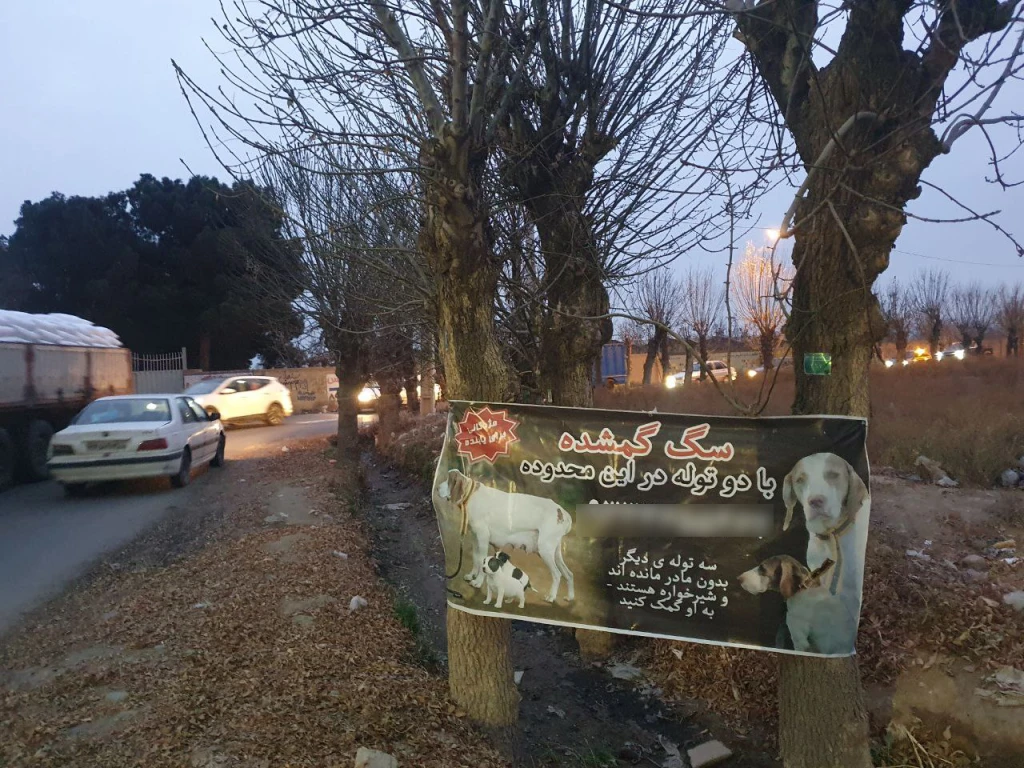
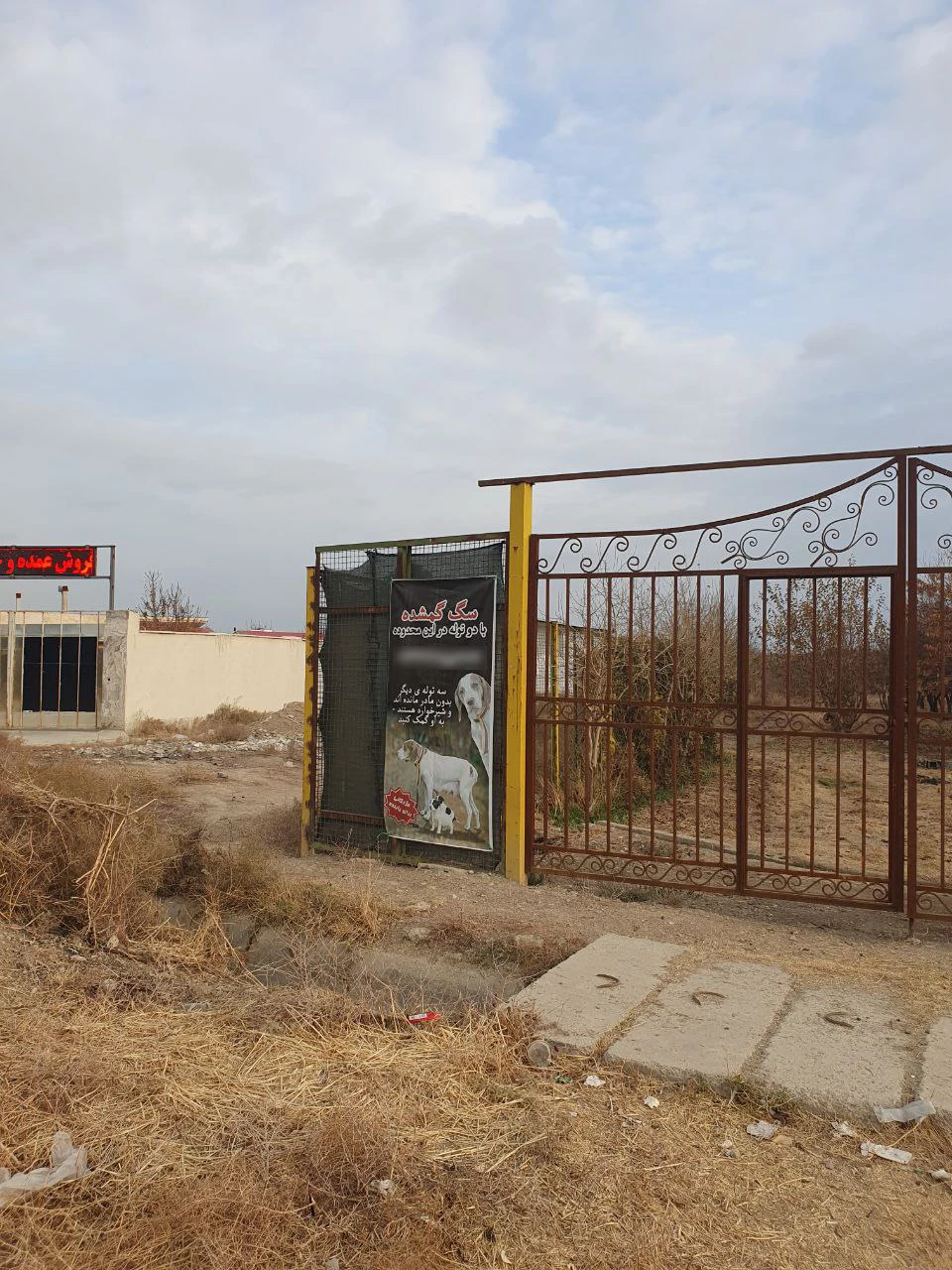
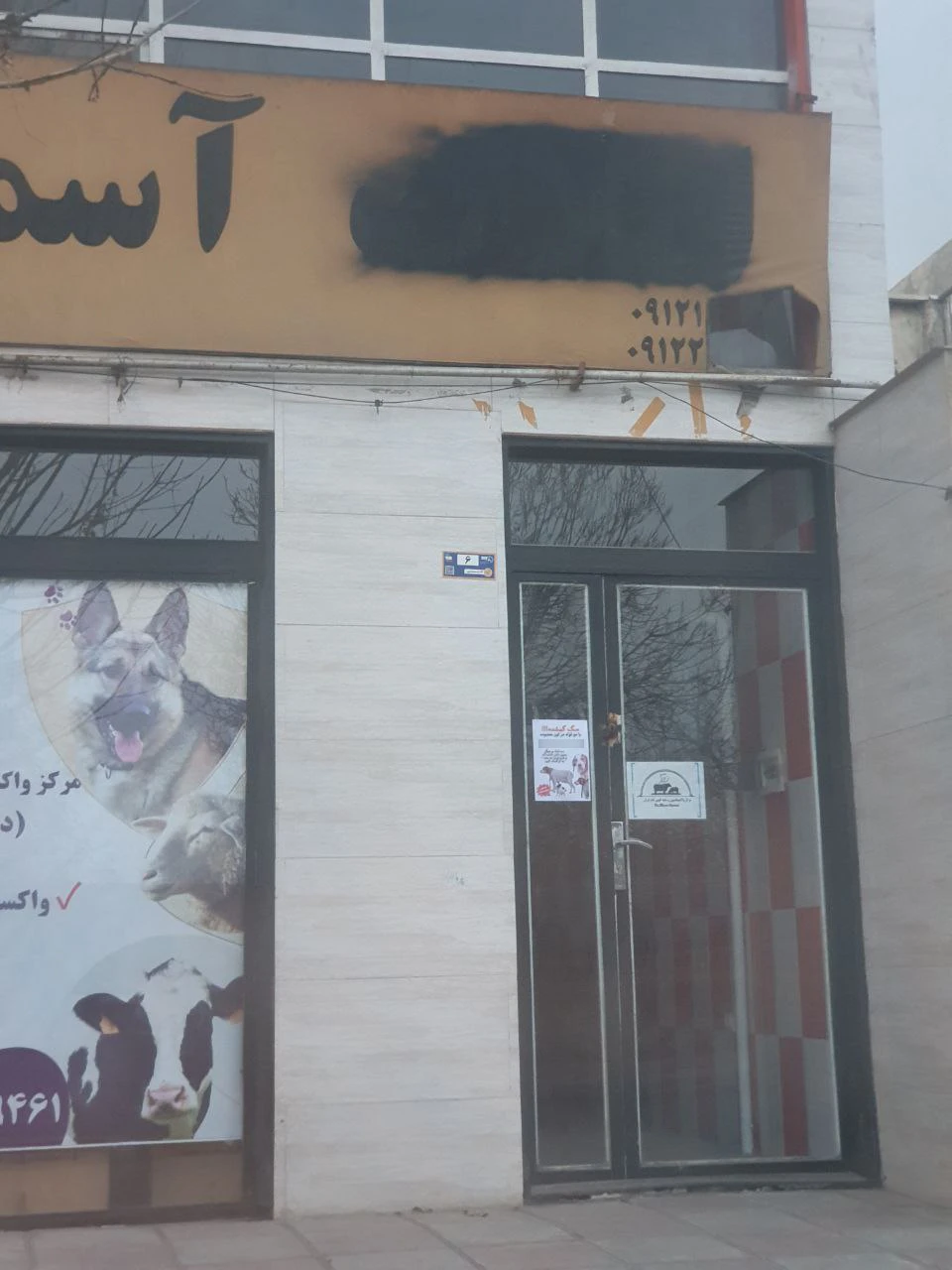
I spoke with many people. I searched the area extensively. Now Luna and four of her puppies are missing.
The following week, someone called who owned one of the gardens there. He said he had seen the posters, felt upset, and called to ask what had happened. I told him the story. He said he suspects they were either abandoned or sold.
As I write this, I have gone through two very dark weeks. Luna and her puppies disappeared. They were either stolen or sold by the workers at their new place (this is still being investigated).
Update: December 26, 2025
But today I received a call that Luna has been found 😍 Someone found her and is now taking care of her, but there’s no news about the puppies.
I received her, and she was very happy to see me, but when I saw her… I cried. She has become very thin.
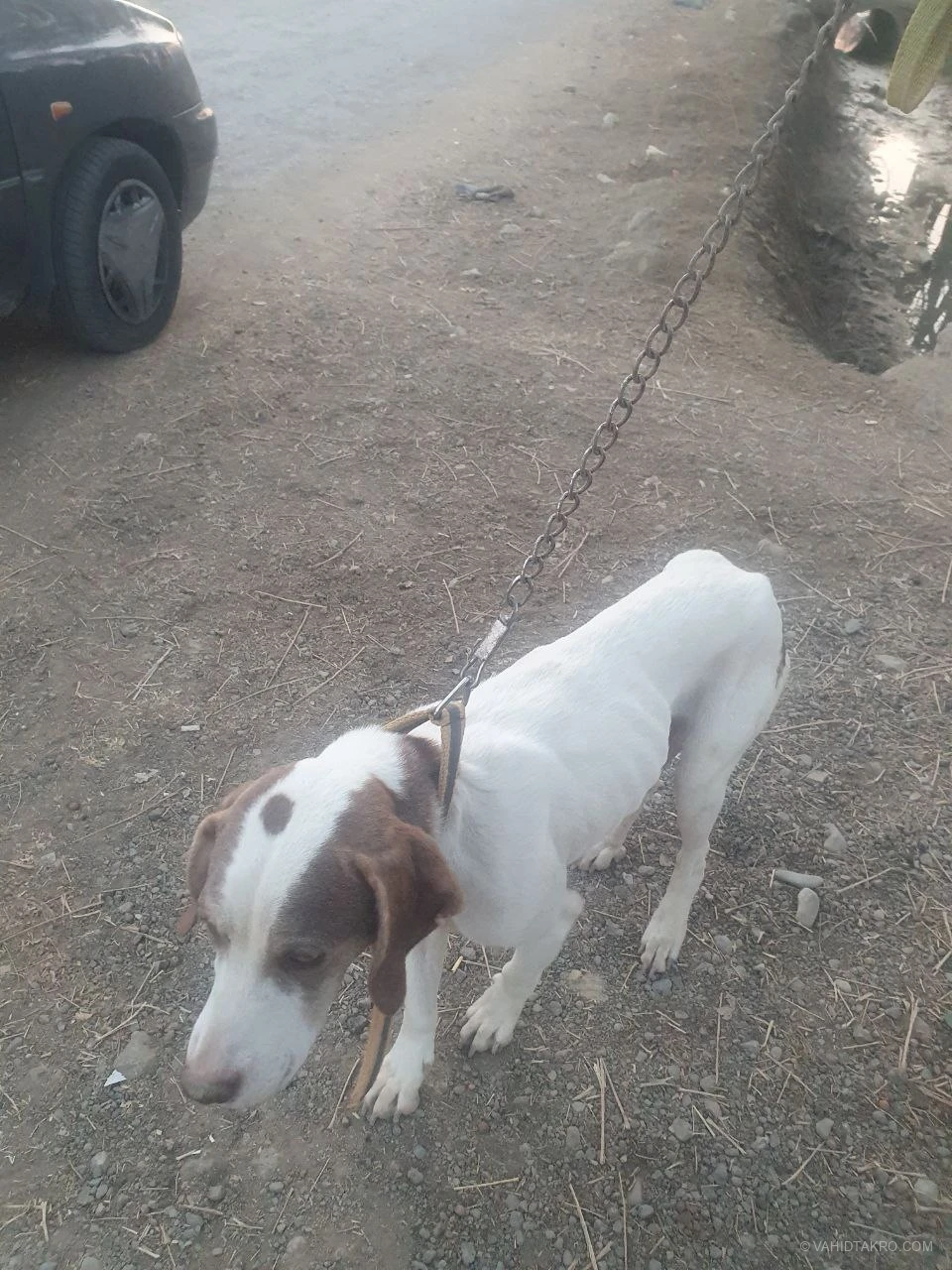
I immediately moved her to the garden of one of her acquaintances for a short stay of a few days, not to her previous place, not to the place that led to her fate… But I went there to pick up the last puppy that was left from Luna. I took him with me.
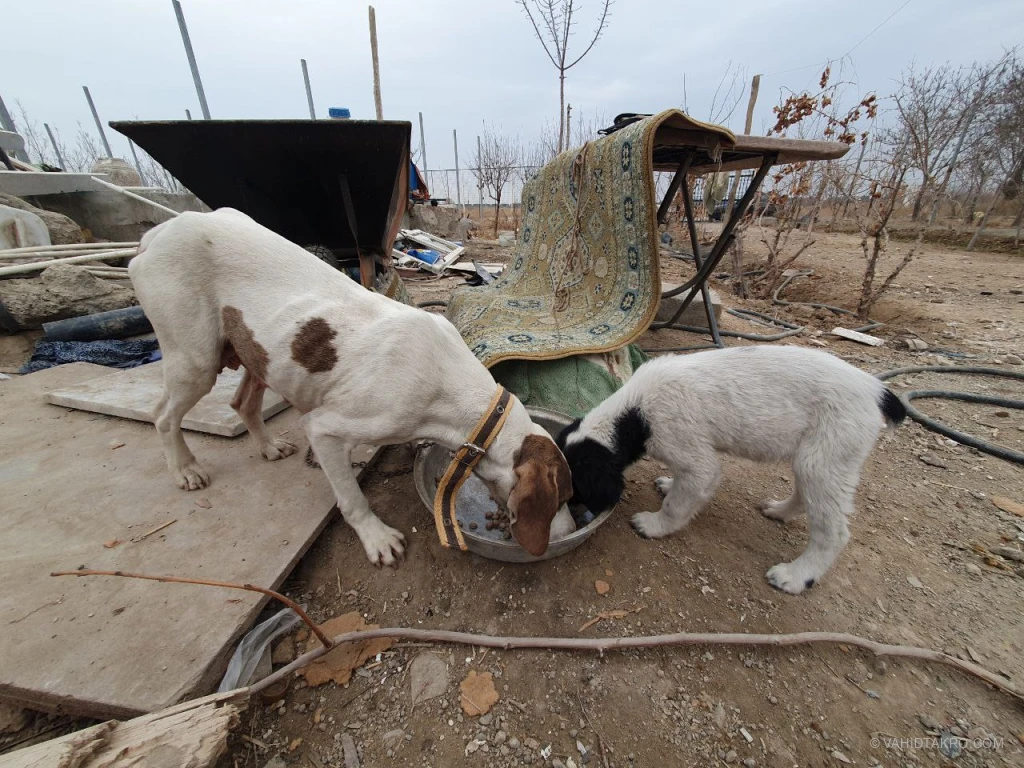
I named her son "Echo." Echo means “the last survivor.”
Now Luna and Echo are going to stay here for a week, to be strengthened and regain vitality. The current situation is this: four puppies are either missing, stolen, or otherwise gone, while Luna and her son Echo are being kept temporarily somewhere.
I involved my family; I couldn’t handle all this emotional burden alone. On one hand, I’m looking for a new home for them, and on the other hand, I’m searching for the four missing puppies.
With my family’s decision, one week later, we are planning to take them to the hospital for medical care, Luna’s spaying, rabies and parasite vaccines.

Update: January 8
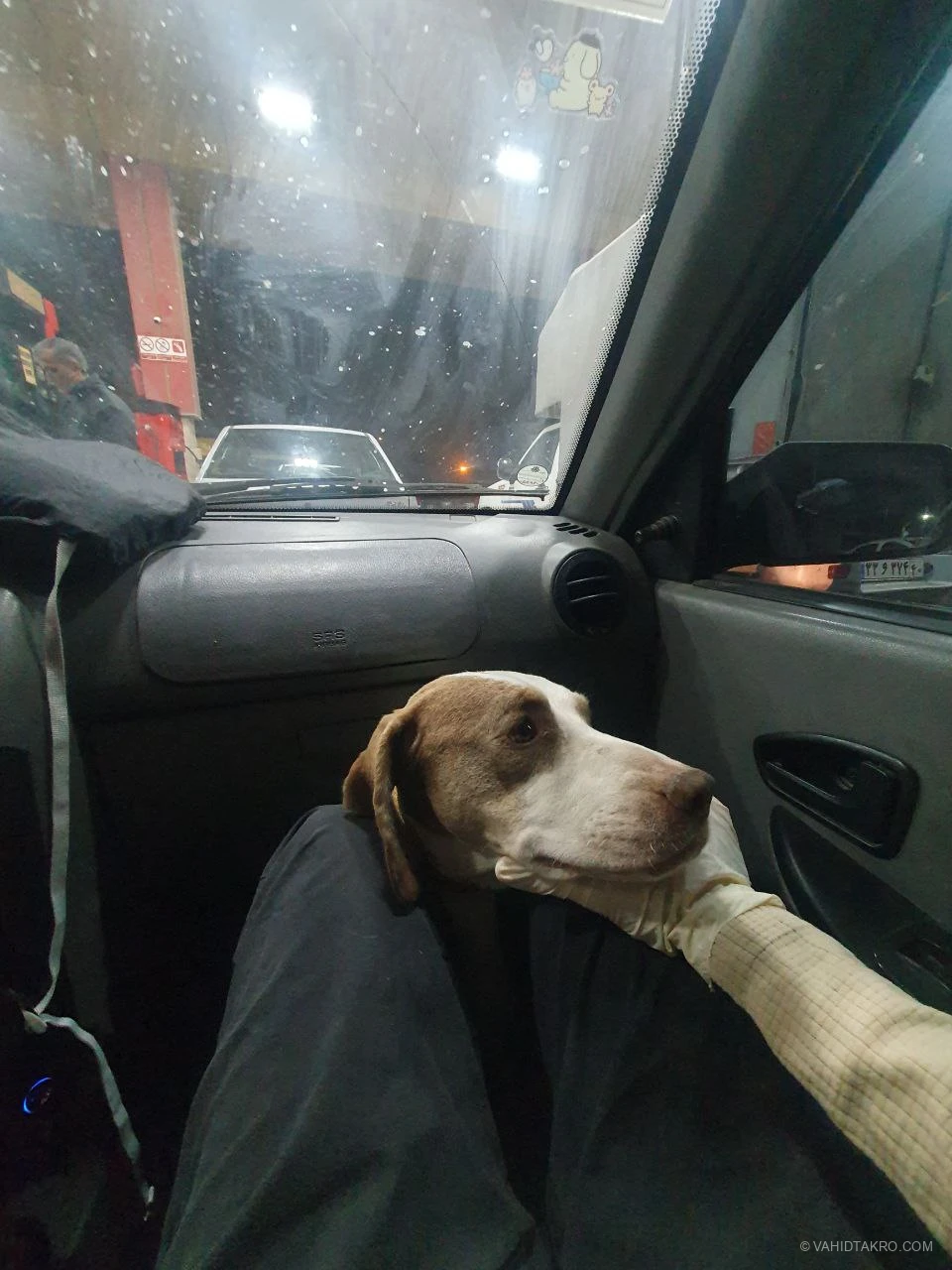
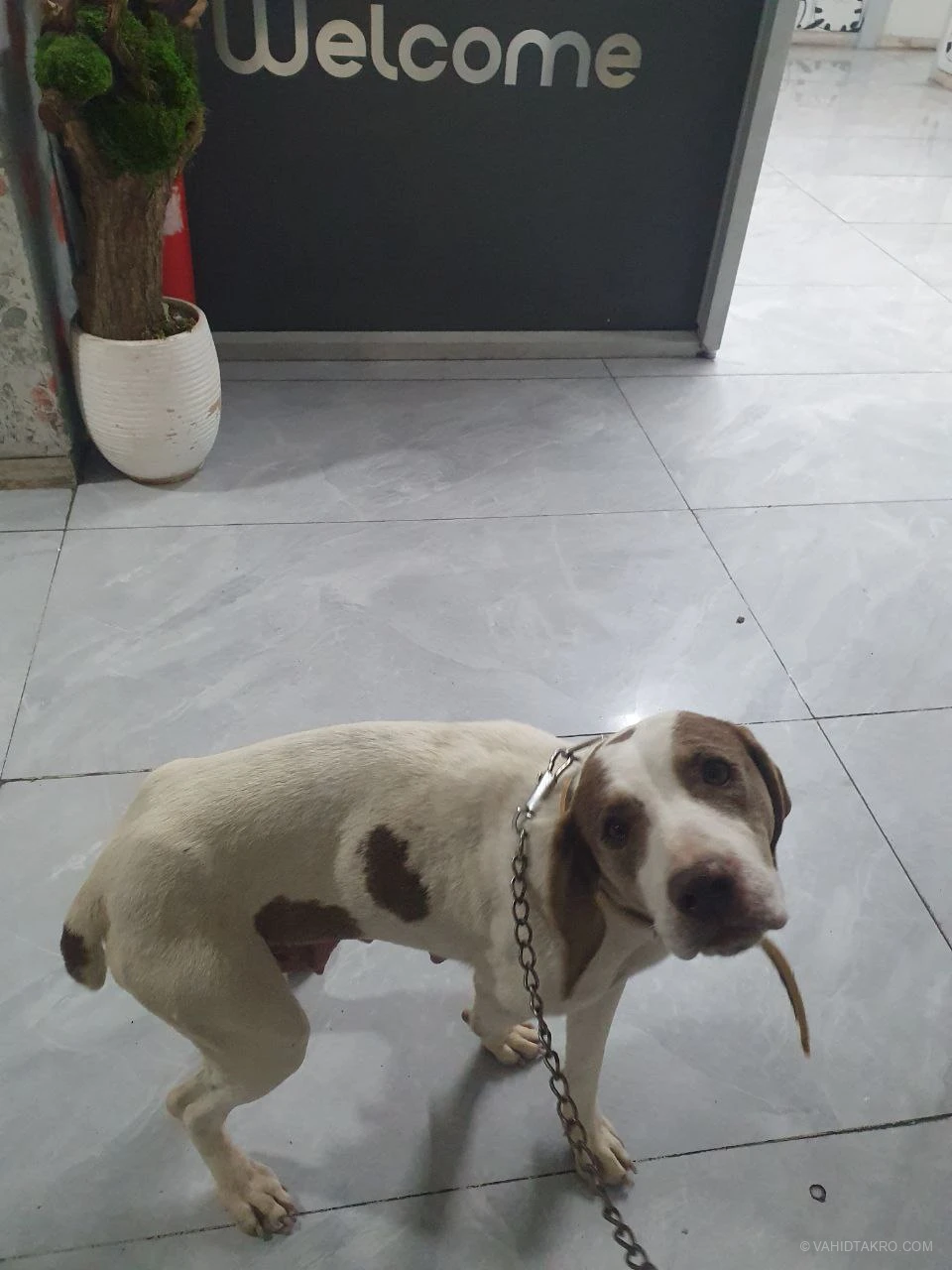
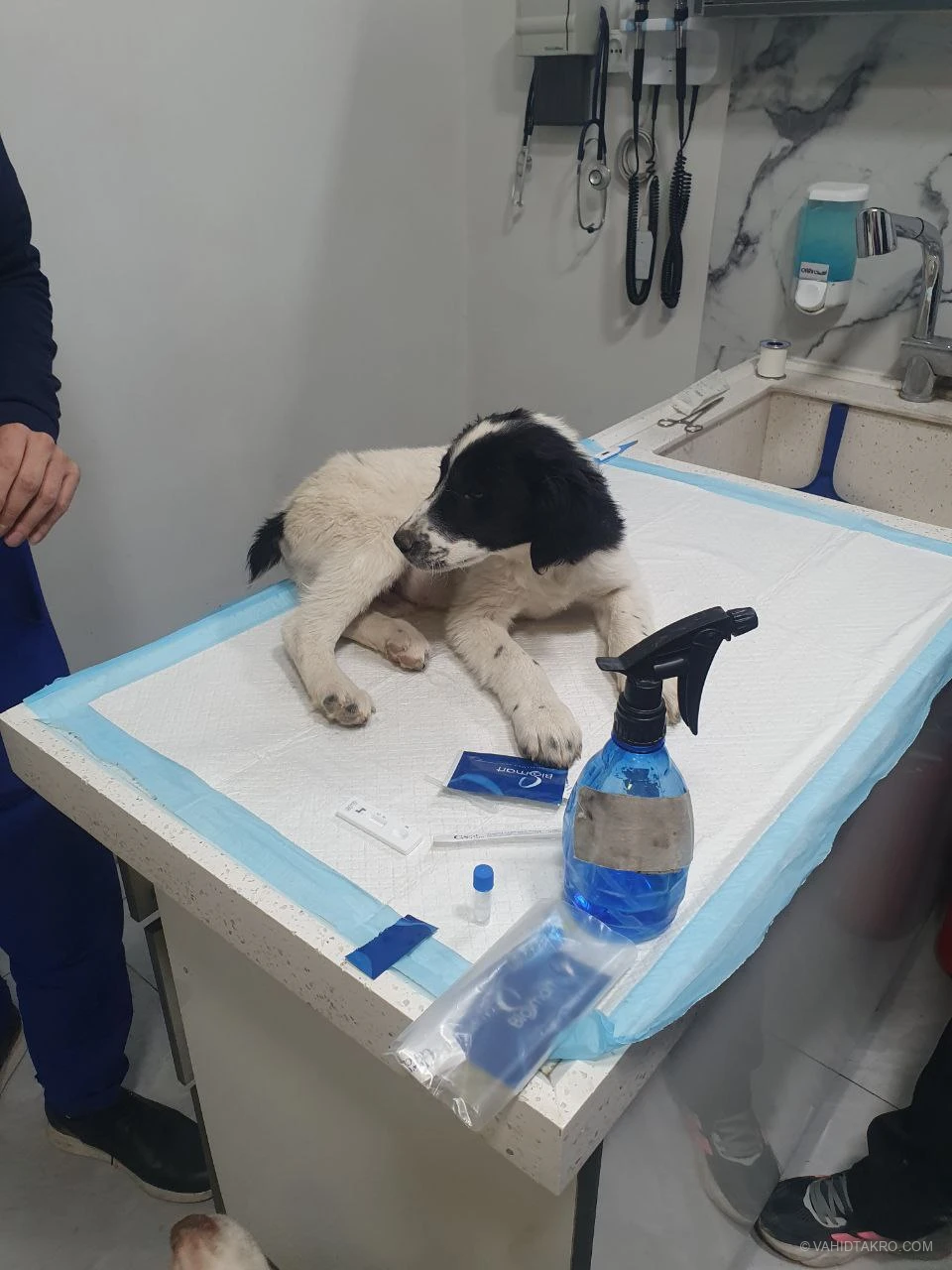
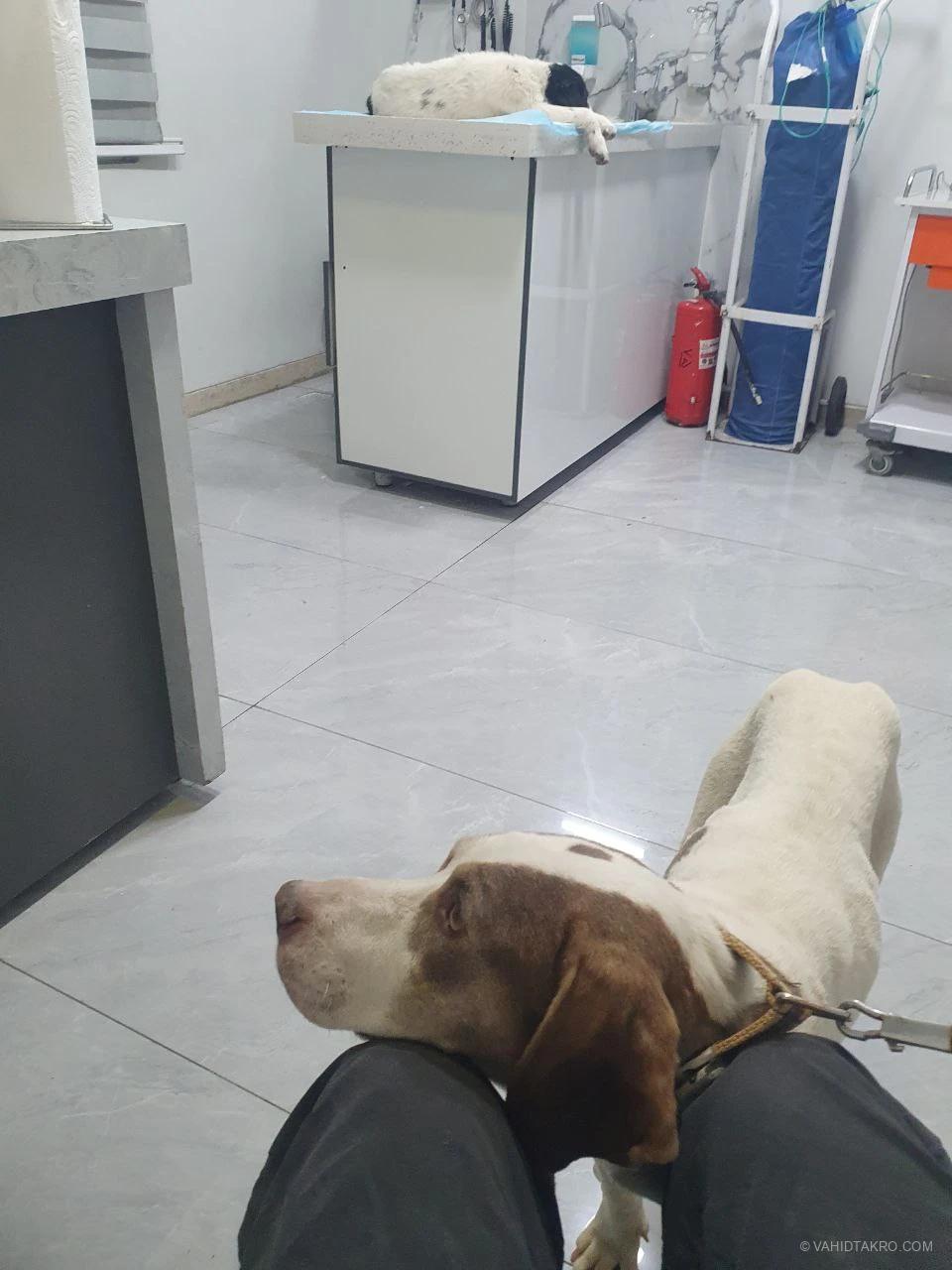
It’s now been two days that Luna and her son have been at the hospital. Luna has been spayed, received rabies and parasite vaccines, and her son has received a parasite vaccine.
Luna weighs 16.5 kg, and her son Echo weighs 7.5 kg. I don’t have much time left to find a new owner for them, as I need to take them from the hospital.
Iran is not a good country at all for animals, in my view, it’s an animal’s hell. Therefore, for Luna, the innocent and gentle dog, a dog who has had a very hard life, I am now searching for a real place where she can experience peace. She is seeking a life, not just survival. So, from anywhere in the world, I will lovingly bring her to you. Please help her.
Share this post
Help others discover this content
Load Comments